
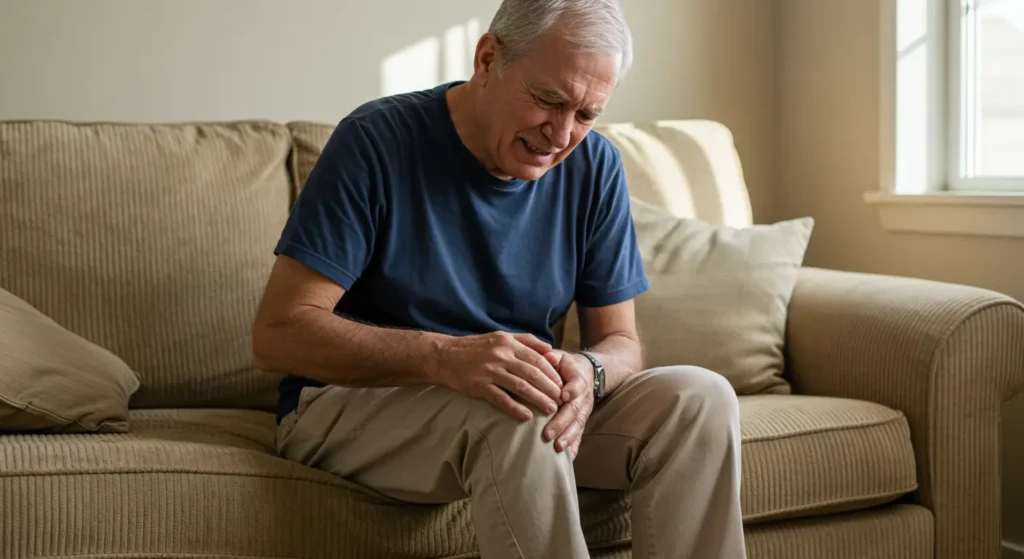
Feeling like your knees aren’t as strong as they used to be? You’re not alone. After the age of 60, many people start noticing that everyday activities — like standing up from a chair, climbing stairs, or walking for longer periods — feel harder on the knees. This isn’t just about age; it’s often due to muscle loss, joint wear, or simply years of repetitive stress.
The encouraging news? You don’t need a gym membership or intense workouts to see improvement. With the right approach, you can start to strengthen weak knees at home after 60 using simple, safe movements that support your joints — not strain them.
And just like poor posture contributes to neck or shoulder discomfort, weak knees are often a result of daily habits that can be adjusted with care.
What Causes Weak Knees After 60?
Weak knees don’t just happen overnight. For most people over 60, it’s a slow and gradual decline caused by a mix of natural aging, lifestyle habits, and changes in joint health. As we age, muscle mass tends to shrink — especially in the quadriceps and hamstrings, the muscles that support the knee joint. Less strength means less stability, which can lead to pain, stiffness, or even falls.
Inactivity is one of the biggest culprits. Long periods of sitting or avoiding movement (often due to fear of pain) can actually make knees weaker over time. Add in wear-and-tear from decades of use, and it’s easy to see why knee function tends to decline with age.
But the good news is that strengthening weak knees at home after 60 is not only possible — it’s often more effective than most people think. With consistency and care, many older adults have restored mobility and even reduced discomfort through gentle at-home exercises.
📍 Curious about whether walking helps or hurts knees after 60? You might want to read this next:
👉 Is Walking Good or Bad for Knee Pain After 60?
Benefits of Strengthening Knees Naturally After 60
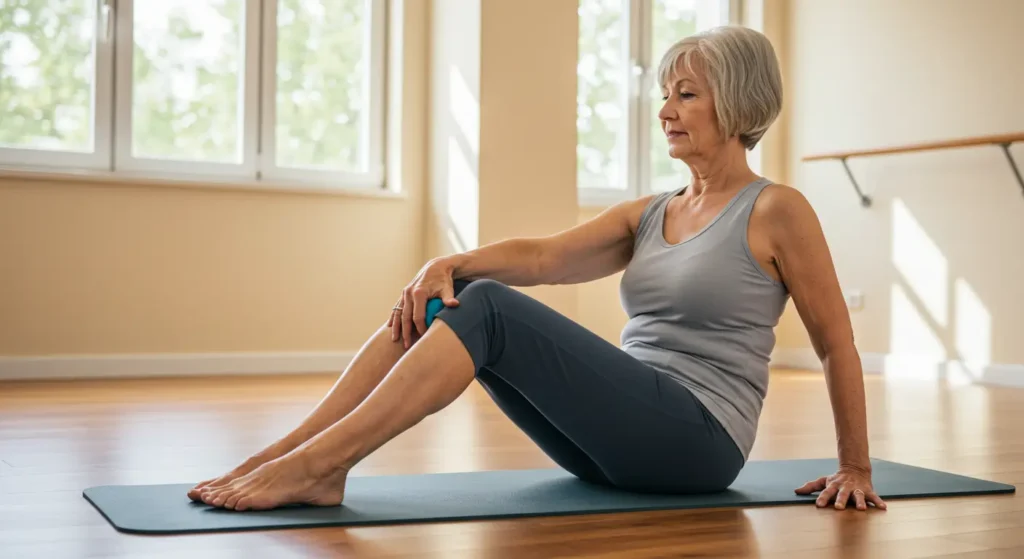
When your knees feel weak, it’s tempting to rely on rest or avoid certain activities altogether. But strengthening your knees naturally — especially through gentle, targeted movement — offers far more long-term benefits than simply “taking it easy.”
✅ Improved stability and balance – Stronger knees mean fewer wobbles and better control when walking, climbing stairs, or getting out of a chair.
✅ Reduced pain and stiffness – Gentle strength-building exercises help stimulate blood flow and reduce joint tension, which can naturally ease discomfort.
✅ Better joint protection – Muscles around the knee act like shock absorbers. When they’re strong, they reduce pressure on the joint and minimize wear and tear.
✅ Greater independence – With stronger knees, daily tasks like shopping, cleaning, or playing with grandkids become easier and more enjoyable.
✅ Boosted confidence – Perhaps most importantly, improved knee strength helps restore the confidence to move freely — without fear of falls or sudden pain.
And remember: you don’t need intense workouts or gym memberships. Even low-impact activities and bodyweight exercises at home can make a big difference.
📍 Want to dive deeper into daily strategies that support joint comfort? Check out:
👉 Natural Ways to Relieve Knee Pain After 60 – Effective Daily Habits That Work
Safe, At-Home Movements That Strengthen Weak Knees
Strengthening your knees after 60 doesn’t mean pushing through pain or doing complicated workouts. In fact, the most effective exercises are often the simplest — focusing on control, form, and consistency.
Here are a few gentle, proven movements that can be done right at home:
🦵 Seated Leg Extensions
Sit on a sturdy chair with your back straight. Slowly lift one foot until your leg is extended, hold for a few seconds, then lower. Repeat 10–15 times per leg. This activates the quadriceps, which play a major role in knee stability.
🧍♀️ Wall Sits (Short Holds)
Stand with your back against a wall and lower into a very shallow seated position — just enough to engage your thighs. Hold for 10–15 seconds. This builds endurance in the supportive muscles without placing strain on the knees.
🦶 Heel and Toe Raises
Hold the back of a chair for balance. Rise up on your toes, then gently shift your weight to your heels. This strengthens the calves and muscles around the knees, improving control and circulation.
🧎♀️ Standing Hamstring Curls
While standing and holding a chair for support, slowly bend one knee, bringing your heel toward your buttocks. Hold, then lower. This engages the hamstrings, which help stabilize the joint.
🧘♂️ Gentle Knee Extensions with Resistance Band
Using a light resistance band, you can add a bit more challenge to knee extension exercises as you grow stronger — helping to gradually build resilience without impact.
⏳ Start small — even just 5–10 minutes a day — and increase time and reps slowly. And always listen to your body: discomfort is okay, but sharp pain is not.
Common Mistakes That Can Make Knee Weakness Worse
While many people try to stay active as they age, some well-meaning habits can unintentionally make weak knees worse — especially after 60. Understanding what not to do is just as important as knowing which exercises to include.
Here are some of the most common mistakes that can delay progress or increase discomfort:
🚫 Ignoring Pain Signals
Pushing through sharp pain or joint swelling can aggravate the issue. Gentle discomfort is normal with movement, but pain is your body’s warning sign — especially in joints like the knees.
🪑 Sitting for Long Periods Without Movement
Extended periods of inactivity weaken the muscles that support your knees. Even standing up and walking around the house every 30–60 minutes can help prevent stiffness and improve circulation.
🏋️ Using Heavy Weights Too Soon
Trying to strengthen weak knees with intense resistance can backfire. Start with bodyweight or light resistance bands until your form and stability improve. Going too hard too fast is a common cause of setbacks.
🥿 Wearing Unsupportive Footwear
Shoes without proper cushioning or arch support can affect your posture and how your knees absorb shock. Consider switching to orthopedic walking shoes — even indoors.
🛌 Poor Sleep Positioning
Believe it or not, your sleeping posture can impact knee recovery. Placing a small pillow between your knees (especially if you sleep on your side) can reduce joint pressure overnight.
Lifestyle Tips That Support Stronger Knees
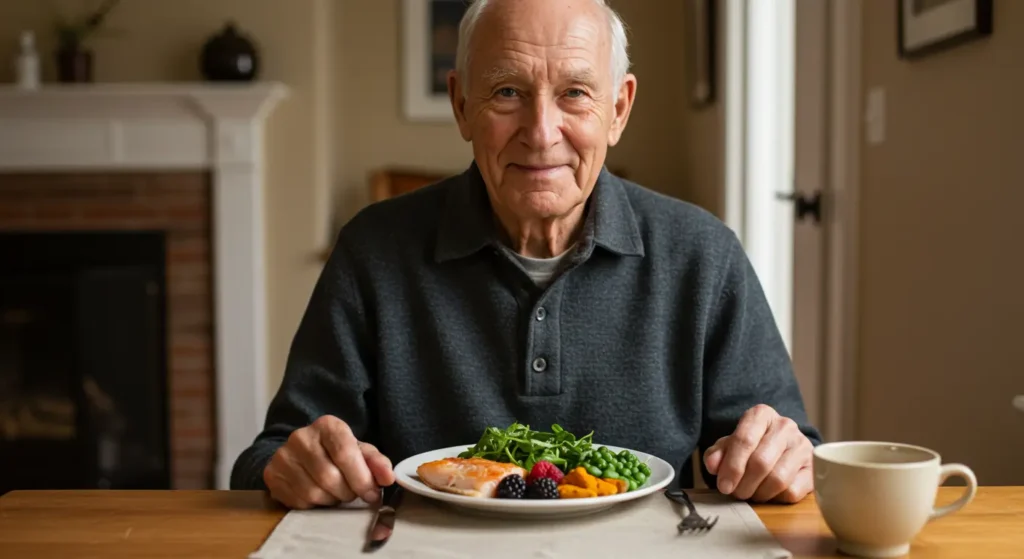
Strengthening weak knees at home isn’t just about targeted exercises — your daily habits can either support or sabotage your progress. Making small lifestyle adjustments can significantly improve how your knees feel and function over time.
Here are some key strategies to include in your routine:
💧 Stay Hydrated
Joint cartilage is made mostly of water. Staying properly hydrated helps keep your joints cushioned and mobile, especially as you age.
🥬 Eat Anti-Inflammatory Foods
Chronic inflammation can make knee discomfort worse. Try incorporating foods like leafy greens, berries, turmeric, and omega-3-rich fish into your meals.
⚖️ Maintain a Healthy Weight
Extra weight puts added stress on your knees. Even modest weight loss can relieve pressure and improve comfort during movement.
🚶♂️ Choose Low-Impact Activities
Walking, swimming, and cycling are excellent for building strength without overloading your joints. Just be mindful of your pace and terrain.
🧘♀️ Practice Gentle Flexibility Routines
Stretching your hips, hamstrings, and calves can ease tension around the knees and support better alignment.
Gentle Exercises That Build Knee Strength
Some of the most effective movements to strengthen weak knees are also the simplest — and they don’t require any fancy equipment or long routines. Start by focusing on movements that improve the muscles around your knees, especially the quadriceps, hamstrings, and glutes.
A basic movement like a seated leg extension — where you sit upright and slowly lift one leg at a time — can improve knee stability and control. Standing calf raises, where you slowly lift your heels and balance on your toes, help support both ankle and knee joints. Another helpful option is the glute bridge. By lying on your back with your knees bent and lifting your hips gently, you activate both the glutes and hamstrings, which play a major role in stabilizing the knees.
These exercises can be done in just a few minutes each day and are gentle enough for most adults over 60. Over time, they help improve joint alignment, reduce pressure on the knees, and restore functional strength — making everyday activities feel easier and more comfortable.
Tools and Supports That Can Help
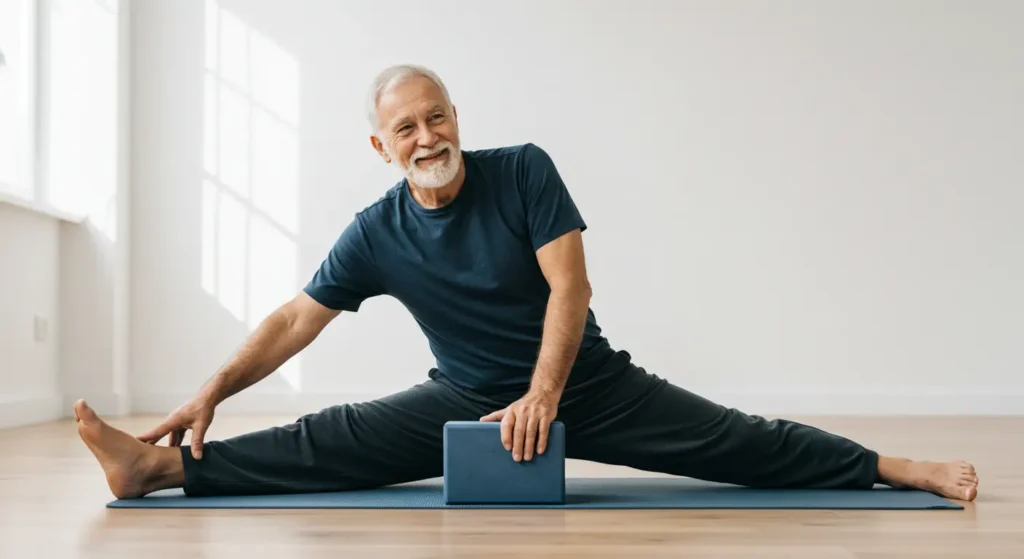
While exercises and movement are key, sometimes a little extra support can make all the difference — especially when starting out. Many people over 60 find that using simple tools at home helps them feel more secure and reduces strain during daily activities.
Supportive shoes with cushioned soles can ease pressure on the knees during walking or standing. A soft knee sleeve or compression wrap can provide warmth and gentle stability, especially on days when the knees feel more sensitive. When doing exercises, a rolled-up towel or small pillow placed behind the knees can reduce discomfort and make movements more accessible.
Light resistance bands are another excellent addition. They allow for low-impact strength training and can be used while seated or lying down. These tools don’t replace movement — they enhance it, making it easier and safer to stay consistent. For many older adults, small additions like these make it much more comfortable to build strength over time.
Staying Consistent Without Overdoing It
When it comes to strengthening weak knees after 60, consistency is far more important than intensity. You don’t need long workouts or challenging routines — what your joints need is regular, gentle attention. Just a few minutes a day can make a lasting impact over time.
The key is to listen to your body. Some days your knees may feel more flexible, while others might bring stiffness or discomfort. Adjusting your routine to match how you feel prevents strain and supports healing. It’s also helpful to pair movement with daily habits, like stretching while waiting for the kettle to boil or doing seated knee lifts during TV commercials.
Keeping your goals realistic and celebrating small wins — like improved balance, easier walking, or less morning stiffness — helps build momentum. You’re not training for competition, you’re building strength for real life. And the most effective program is one that fits into your lifestyle and leaves you feeling encouraged, not exhausted.
Other Habits That Support Knee Strength
Strengthening your knees isn’t just about doing the right exercises — daily habits also play an important role in recovery and maintaining strength. Eating a balanced diet with enough protein, calcium, and vitamin D helps nourish your muscles and bones. Drinking water throughout the day keeps your joints lubricated and more resistant to wear and tear. Adequate rest, including quality sleep, allows tissues to repair and strengthen naturally. In addition, controlling body weight reduces pressure on the knees, preventing overload. Small changes in routine, such as avoiding long periods of sitting and alternating postures, also contribute to continuous joint support.
CONCLUSION

Keeping your knees strong after 60 is entirely possible with a consistent and mindful approach. Gentle exercises, combined with healthy daily habits and attention to posture, can significantly reduce pain, improve mobility, and enhance confidence in every step you take. Over time, even small, regular changes can lead to noticeable improvements in strength, stability, and overall comfort.
The key is to listen to your body, respect your limits, and stay committed to a routine that works for you. Some days will feel easier than others, but consistency is what delivers lasting results. Support your efforts with proper nutrition, adequate rest, and movements that keep your joints active without straining them.
By making knee care a priority, you’re not just protecting your joints—you’re investing in your independence, your freedom to move, and the quality of life you enjoy every day. With patience and dedication, you can keep doing the activities you love well into the years ahead.
DISCLAIMER
This article is for informational and educational purposes only and is not intended as medical advice, diagnosis, or treatment. Always consult your doctor or a qualified healthcare professional before starting any new exercise routine, especially if you have pre-existing conditions, joint injuries, or chronic pain. Individual results may vary depending on health history, activity level, and adherence to the recommendations provided.